FORMATION STAGE 2: REGULATION
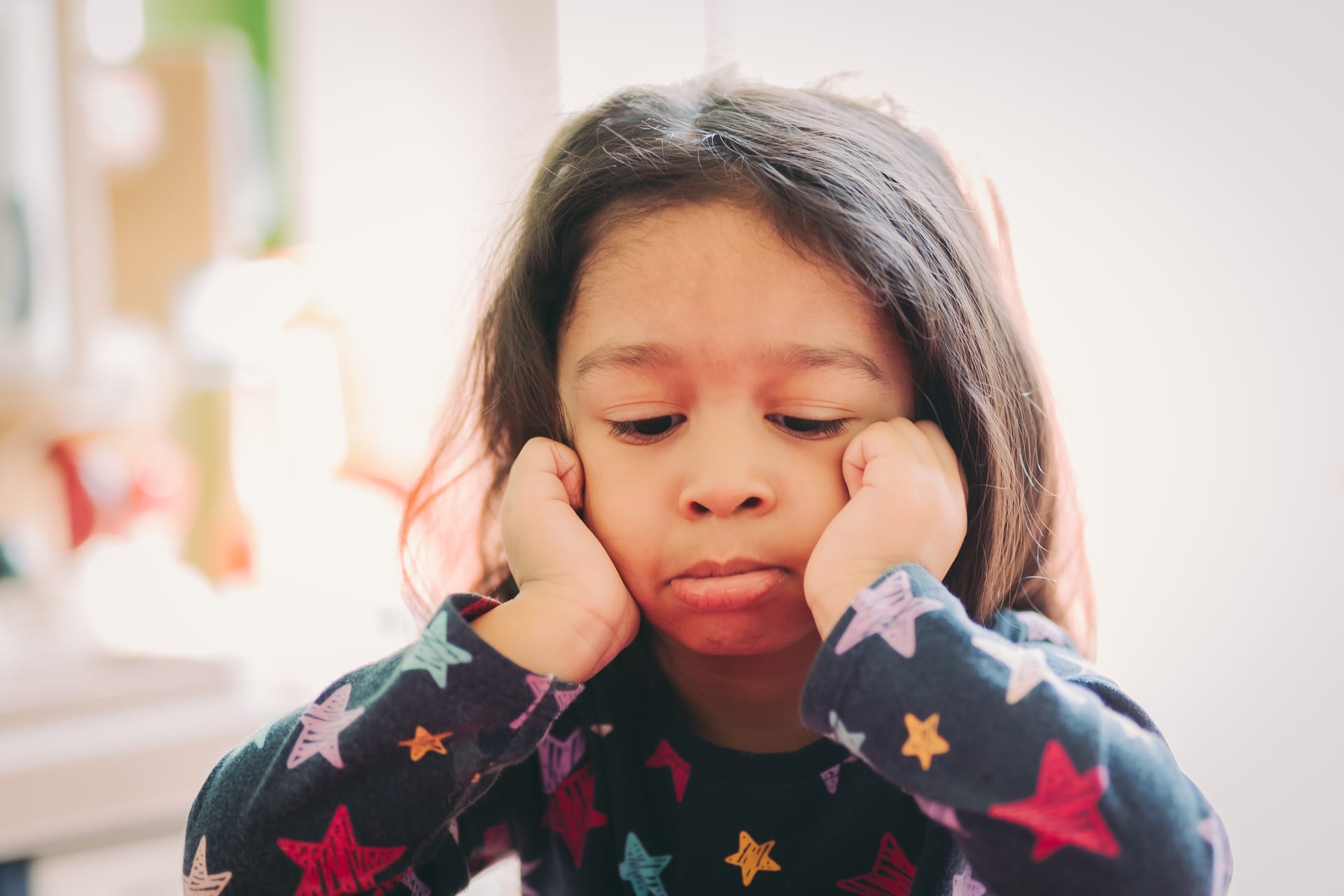
What do I do with my feelings? Who helps me when it’s hard?
If identity formation (blog #66) answers “Am I valued?”, regulation formation answers a different question:
“What do I do when my emotions get big?”
Regulation formation is the gradual shaping of how a child handles emotions, reactions, and behavior. It includes learning how to calm down, how to express feelings appropriately, and how to seek help when emotions feel overwhelming.
Children are not born knowing how to regulate themselves. The brain systems responsible for impulse control and emotional regulation develop slowly and are not fully mature until the mid-20s. This means children must borrow regulation from the adults around them for many years. It’s a skill that develops with support and practice.
Over time, children form patterns for handling emotions by watching their parents, experiencing how adults respond to their feelings, and absorbing spoken and unspoken messages about emotions.
They are learning things like:
- What do I do when I feel angry, scared, or sad?
- Are my emotions welcome or inconvenient?
- Do I handle feelings alone—or does someone help me?
These patterns develop slowly through thousands of everyday moments of connection, correction, comfort, and guidance.
Healthy regulation formation usually grows in the context of supportive relationships where children are helped, not shamed, when emotions overwhelm them.
Hidden Cultural Messages May Be Shaping Your Parenting
See how your Enneagram type may amplify—or soften—them.
In a video clip that I sometimes show parents, a dad is grocery shopping with his four-year-old son. The boy grabs a box of sugary cereal and drops it into the cart. Dad quietly removes it and puts it back on the shelf.
The child crosses his arms, scowls, and defiantly puts the cereal back in the cart. Dad removes it again.
Within seconds, the boy’s frustration explodes. He begins shouting that he wants the cereal. Then he collapses onto the floor, kicking and flailing while customers stare.
The father stands nearby with a blank expression, clearly uncomfortable but unsure what to do. He doesn’t move toward his son or try to help him calm down. The child eventually begins swatting items off the shelf while crying and screaming. The aisle grows quiet as shoppers pause and watch the scene unfold.
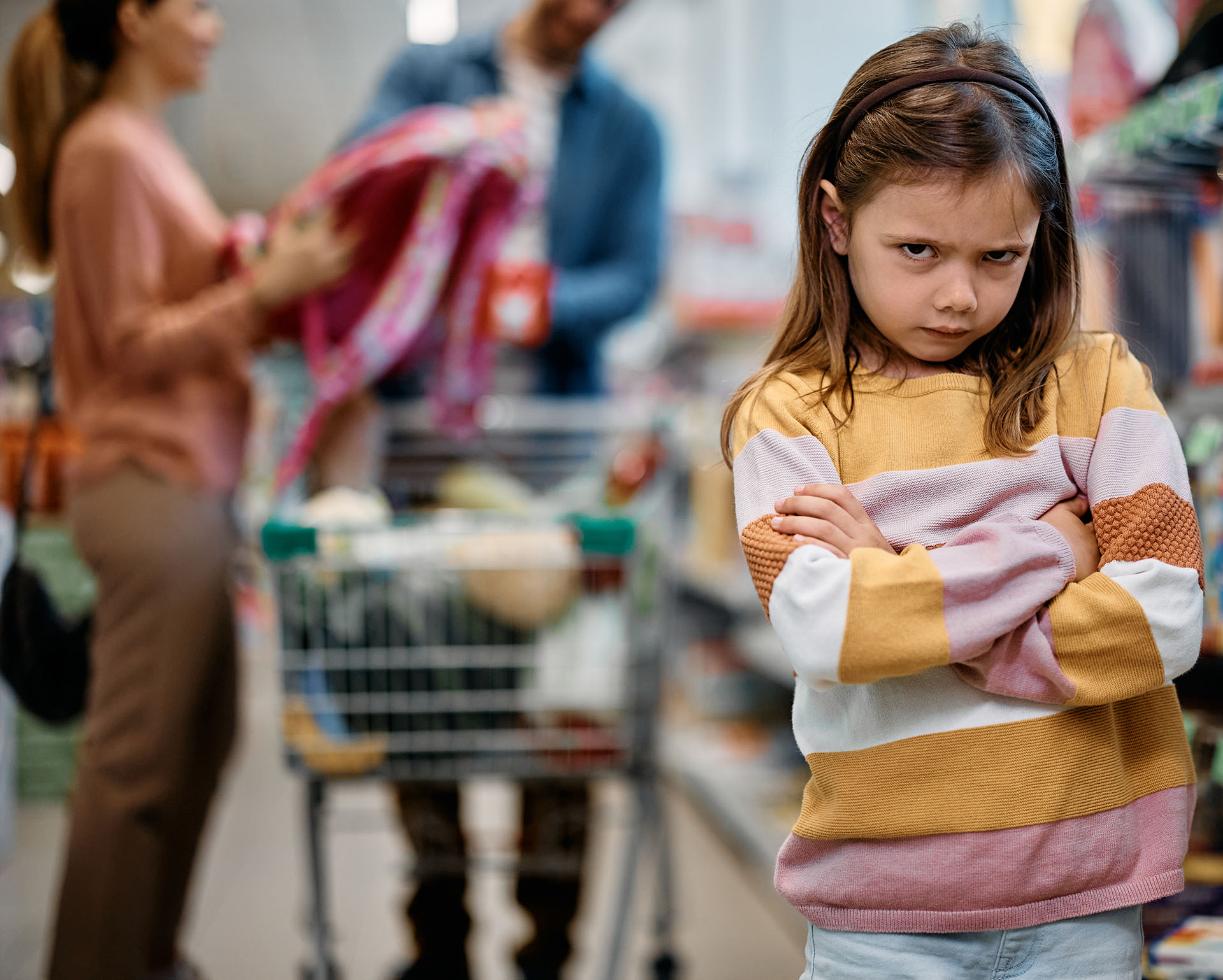
What stands out in the clip is not just the tantrum—it’s the absence of help.
When a young child’s emotions overflow like this, their nervous system is asking for support it cannot yet provide for itself.
The child was left to manage overwhelming emotions by himself. And for a four-year-old, that is simply too much to handle alone. In many ways, the lack of support in that moment is more distressing than not getting the cereal.
Moments like these are where regulation formation happens. Children learn how to handle big emotions not by being left alone with them, but by having an adult step in to guide, calm, and coach them through the storm.
Without guidance in these moments, children often absorb a painful message about emotions: when feelings overwhelm you, you have to deal with them alone.
But culture is always ready to offer its own script, especially in the absence of co-regulation help from their parents. And for many children today, the message is clear:
Your Emotions Are a Problem–Handle Them Alone
Cultural Message #3
Culture says:
Stuff emotions. Ignore them. Calm yourself down privately. Feelings are a burden for others.
It is amazing how uncomfortable most people are with natural expressions of emotion. In our culture, there are strong prohibitions against displaying or discussing emotions. The wording may vary, but the underlying theme is the same: “Deal with your emotions by yourself and don’t bother me.”
Prioritize logic or reason:
“Be reasonable.”
“Use your head, not your heart.”
“Let’s be rational about this.”
Elevate emotional control:
“Get ahold of yourself.”
“Pull yourself together.”
Minimize Emotional Expression:
“You’re overreacting.”
“It’s not that big of a deal.”
These phrases often reflect broader cultural values such as stoicism, professionalism, rationality, and objectivity.
Those values are not necessarily a bad thing and certainly have their place. The challenge comes when they imply that emotions themselves are a problem rather than signals to understand.
For parents especially, this can unintentionally communicate to children:
- “Your feelings are inconvenient.”
- “Strong emotions are embarrassing.”
- “Good people stay calm.”
Which can lead kids to suppress emotions rather than learn to regulate them.
Children need:
Co-regulation before self-regulation.
Children learn emotional skills through relationship, not isolation. It takes years of co-regulation before children are able to self-regulate. But honestly, it is not good to always self-regulate. Even adults need to co-regulate sometimes. It is important for teens and adults to self-regulate in some situations and to seek out co-regulation with loved ones at other times.
Parenting Practice: Lead with Connection and Co-regulation Before Correction
Children learn emotional skills through relationship, not isolation.
When emotions run high, lead with connection before correction. Reflect their feelings and help them calm (emotional co-regulation) before talking about how they could have handled the situation differently or before giving a consequence for behavior that resulted from the unregulated emotion.
Some simple practices that help children learn regulation:
- Move closer, not farther away.
- When emotions escalate, physical and relational proximity helps calm the nervous system.
- Name the emotion before solving the problem.
- “You’re really frustrated that we can’t get the cereal.”
- Slow the moment down.
- Lower your voice, soften your face, and breathe slowly. Your calm nervous system helps settle theirs.
- Coach rather than shame.
- Once the child is calmer, help them think about what they could do next time.
- Practice calm moments.
- Children learn regulation best when parents model it in everyday moments—not just during meltdowns.
Over time, these small relational moments teach children that emotions are manageable and that they are not alone when feelings feel overwhelming.
Your calm and steadying presence is the lesson. It teaches better than any lecture.
A calm voice and taking slow, deep breaths is a good way to start. Kids need to know that we can handle their feelings.
When parents stay present during emotional storms, children slowly internalize that calm. Eventually, the child begins to do for themselves what a caring adult first did with them.
Healthy regulation isn’t the absence of emotion—it’s learning how to understand and respond to emotion wisely.
Formation lens:
Culture often isolates emotion. Sometimes it even belittles it.
God meets us in emotion and relationship. God created emotions and is not afraid of them.
Scripture:
“The Lord is near to the brokenhearted.” — Psalm 34:18
God does not shy away from feelings or dismiss them as unimportant. In fact, Scripture repeatedly shows that God meets people in their distress, fear, grief, and anger.
Throughout the Bible, people pour out their emotions to God—and He draws near rather than pulling away.
“Cast all your anxiety on Him because He cares for you.” — 1 Peter 5:7
God’s response to human emotion is not rejection, but invitation.
Just as God meets us in our emotions with compassion and steadiness, parents have the opportunity to reflect that same presence to their children.
Sometimes the most powerful thing a parent can communicate is simply this:
“Your feelings are not too much for me. I’m here with you.”
Reflection Questions:
- When have your emotions felt like a problem for you or for others?
- What messages about emotions did you receive growing up?
- When your child has strong emotions, what is your first instinct—move closer or move away?
- How comfortable are you sitting with another person’s strong emotions?
- What is one small way you could offer a calm presence the next time your child feels overwhelmed?
The goal of parenting is not perfectly calm children—it is children who know they are not alone when emotions feel overwhelming.