

Attachment Mapping Tool
Before diving deeper into the four attachment styles in this blog,
you may find this “quiz” helpful in reflecting on your own attachment. Grab it here.
Attachment Styles Through the Lens of Approach, Autonomy, and Affect
In the past three posts, we explored three core dimensions of attachment:
- Approach – how you move toward others for connection
- Autonomy – how you move on your own
- Affect – how emotions move you
Attachment styles are the patterns that form when Approach, Autonomy, and Affect consistently work together over time. They most consistently appear under stress.
At their core, attachment styles reflect the summary story your nervous system learned about relationships:
- Can I rely on others?
- Can I rely on myself?
- What do I do with my emotions?
To help make this more concrete, let’s use a metaphor.
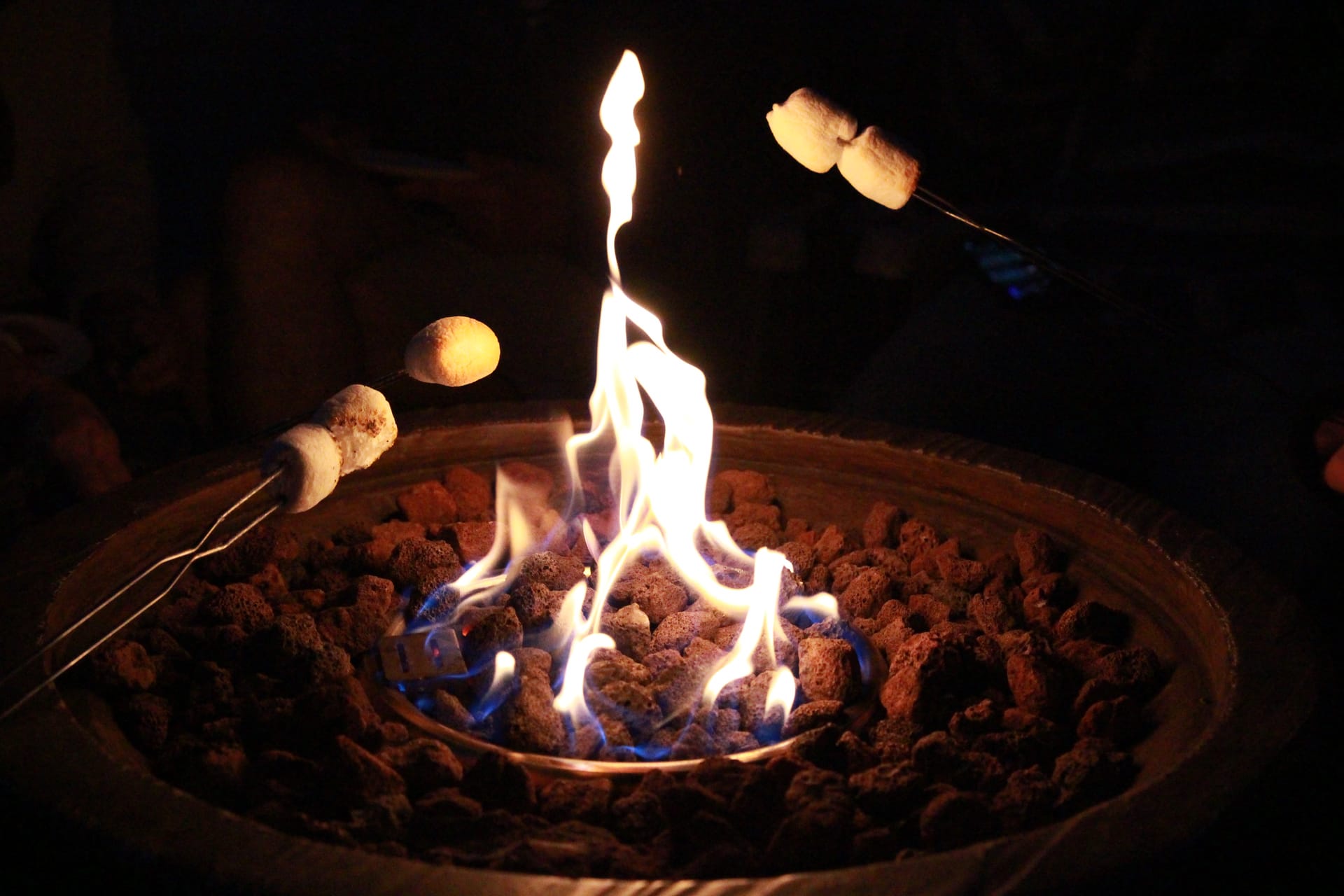
The Campfire Metaphor: Attachment as Distance From Warmth
Think of attachment like a campfire.
The fire provides warmth, light, and nourishment. It’s where people gather, share stories, and roast marshmallows. But how close you stand to the fire matters. Too close, and you get burned. Too far away, and you stay cold.
Attachment styles describe how we learned to position ourselves around the fire of relationship. We all learned a distance of closeness that once felt safest.
- Approach = how close you move toward the fire
- Autonomy = how much space you keep for yourself
- Affect = how intense the heat feels and how your body responds
A necessary clarification
The campfire in this metaphor is not God.
It represents human relationships—where warmth is real, but closeness can sometimes hurt because people are imperfect.
Human relationships are like campfires: capable of warmth and nourishment, but shaped by human limits. God, however, is the True Light (John 8:12)—steady, constant, and never dangerous to approach. He is not overwhelmed by heat or distance. As we learn healthier ways of relating to people, we often find it becomes easier to approach Him with trust rather than fear. The fear we have is about our human experiences, not about the trustworthiness or security of God.
Where Each Attachment Style “Camps Out”
Secure Attachment – Close Enough to Be Warm
Balanced Approach · Balanced Autonomy · Regulated Affect
Secure attachment looks like sitting at a comfortable distance from the fire.
Close enough to feel warmth.
Far enough to move freely.
Able to step closer or farther as needed.
Secure people can enjoy connection without being consumed by it. They can warm themselves, tend the fire, or step away—trusting the fire will still be there.
Secure Attachment is the goal not because it’s perfect, but because it’s flexible.
What This Often Looks Like
- Comfortable asking for help and doing things independently
- Emotions are acknowledged, expressed, and regulated most of the time
- Able to be close without losing self
- Able to be alone without feeling abandoned
- Trusts both themselves and others
Secure parents aren’t perfect—they get stressed, tired, and frustrated like everyone else. What sets them apart is flexibility. They can adjust how close or independent they are depending on the situation.
How This Shapes Parenting
Secure parents tend to:
- move toward their children when support is needed
- allow independence when appropriate
- experience emotions without being overwhelmed or disconnected
Children experience warmth, consistency, and emotional safety. Emotions are taken seriously without becoming overwhelming. Repair is possible. Reflection is modeled. Kids learn: I am worthy of love, and relationships are safe.
Secure attachment is not about having a “perfect childhood.” It’s about developing enough safety—over time—to stay present, reflective, and connected.
Insecure – Ambivalent / Anxious Attachment – Too Close to the Fire
High Approach · Low Autonomy · High Affect
Ambivalent attachment looks like standing very close to the fire.
Drawn to the heat.
Feels safest near the flames.
Emotions run hot. Sparks fly.
Risk of getting burned or overwhelmed.
The closeness makes sense—warmth feels essential. But being too close can melt boundaries, create urgency, and make it hard to breathe or think clearly.
The problem isn’t wanting warmth.
It’s believing you can’t survive without being close to it.
What This Often Looks Like
- Strong desire for connection and reassurance
- Discomfort being alone or relying on self
- Emotions feel intense and urgent
- Tendency to over-focus on relationships
- Self-worth often tied to others’ responses
This style develops when closeness feels essential for emotional safety—but also uncertain.
How This Shapes Parenting
Parents with this pattern are often deeply caring, emotionally sensitive, and highly attuned—but their nervous system stays on alert for signs of disconnection.
They may:
- move toward their children quickly when emotions rise
- feel urgency around repair
- struggle to pause for timing that best supports the child
Children may feel deeply loved, but also subtly responsible for a parent’s emotional state. Boundaries can blur under stress.
At its best, this style brings empathy, devotion, and emotional awareness.
Growth often involves strengthening Autonomy and learning to bring intense Affect to God and trusted adults—so children aren’t carrying emotional weight they were never meant to hold.
Insecure – Avoidant Attachment – Too Far From the Fire
Low Approach · High Autonomy · Muted Affect
Avoidant attachment looks like standing far back from the fire.
Plenty of space.
Can see the light.
Doesn’t really feel the warmth.
Lower risk of burns—but also less comfort.
Distance offers safety and control, but it can also leave someone emotionally cold. They may insist they don’t need the fire, even while quietly longing for its warmth.
The problem isn’t independence.
It’s believing closeness is dangerous.
What This Often Looks Like
- Strong self-reliance and competence
- Preference for handling things alone
- Discomfort with vulnerability or dependence
- Emotions may be minimized, intellectualized, or kept private
- Relationships feel less central
This style develops when independence feels safer than closeness.
How This Shapes Parenting
Parents with this pattern are often capable, steady, and calm under pressure—but may struggle to engage emotionally when things feel messy.
They may:
- emphasize independence early or push too much independence
- unintentionally minimize emotional needs
- feel uncomfortable with affection or emotional language
- approach everything from a cognitive or rational lens
Children may learn to manage feelings alone or assume emotions aren’t important.
At its best, this style brings structure, logic, and stability.
Growth often involves gently increasing Approach and allowing Affect to be noticed and experienced—not feared—so emotional connection can deepen.
Disorganized / Fearful Attachment – In the Fire
Conflicted Approach · Conflicted Autonomy · Dysregulated Affect
Disorganized attachment looks like being in the fire—or rushing in and out unpredictably.
Longing for warmth mixed with fear of the flames.
Burns, scars, or smoke inhalation.
Intense closeness followed by panic.
The fire itself may have caused harm in the past, so the nervous system doesn’t know how to stay at a safe distance. This isn’t recklessness—it’s confusion shaped by survival.
The problem isn’t the desire for connection.
It’s that connection once hurt.
What This Often Looks Like
- Push-and-pull in relationships
- Desire for closeness mixed with fear of it
- Difficulty trusting self and others
- Emotions feel chaotic, overwhelming, or disconnected
- Responses may shift quickly between patterns
This style develops when closeness and safety were intertwined with fear, unpredictability, or harm. Often parents have had significant loss or trauma that has not been resolved (worked through to find meaning and acceptance).
How This Shapes Parenting
Parents with this style often want connection deeply but don’t feel safe staying there. Their nervous system learned that relationships are unpredictable or dangerous.
- Parenting responses may feel inconsistent to the child
- Emotional regulation can be very hard under stress
- Children may experience confusion around safety and closeness
This style is not a character flaw. It reflects unresolved pain and survival strategies. This person is a survivor who wants their children to have more connection and safety than they did but, at times, is unsure how to provide this. With support, healing relationships, and God’s steady presence, patterns can change.
How the Pieces Fit Together
Attachment styles are not labels or jail cells—they are patterns to understand.
Each style reflects:
- how much we Approach
- how much we rely on Autonomy
- how Affect moves us under stress
Awareness creates space:
- space between emotion and reaction
- space between old scripts and new choices
- space for God to rewrite what once felt fixed
How Attachment Styles Can Change
Your attachment style is not your destiny. It reflects what helped you survive, connect, and cope.
Attachment styles are learned patterns—and learned patterns can change. As adults, our internal map continues to be shaped through new experiences of safety, consistency, and repair. When we become aware of our default patterns, invite God into our emotional lives, and practice responding differently over time, new pathways begin to form.
Secure attachment grows through repeated moments of being seen, soothed, supported, and understood—through healthy relationships, intentional reflection, therapy or coaching, and a deepening relationship with God.
Change doesn’t happen overnight. But with grace, patience, and practice, the nervous system learns that connection can be safe, emotions can be held, and relationships don’t have to follow the old script.
Scripture reminds us that patterns can be renewed and transformed over time—not by effort alone, but through God’s ongoing work within us.
“Do not conform to the pattern of this world, but be transformed by the renewing of your mind.”
 —Romans 12:2
Hidden Cultural Messages May Be Shaping Your Parenting
Hidden Cultural Messages May Be Shaping Your Parenting