

Imagine you’re hiking through the mountains with your family. Your eight-year-old keeps wandering toward the edge of a steep cliff. What would a good guide do?
He wouldn’t wait until your child fell before speaking up. He also wouldn’t spend the entire hike yelling at your child for getting too close to the edge.
Instead, he’d stay close. He’d point out the safest path. He’d gently redirect when your child wandered. He’d step in firmly when there was danger. He’d make sure everyone had food and water. He’d keep the group together. His goal wouldn’t simply be to keep people from making mistakes—it would be to get everyone safely home.
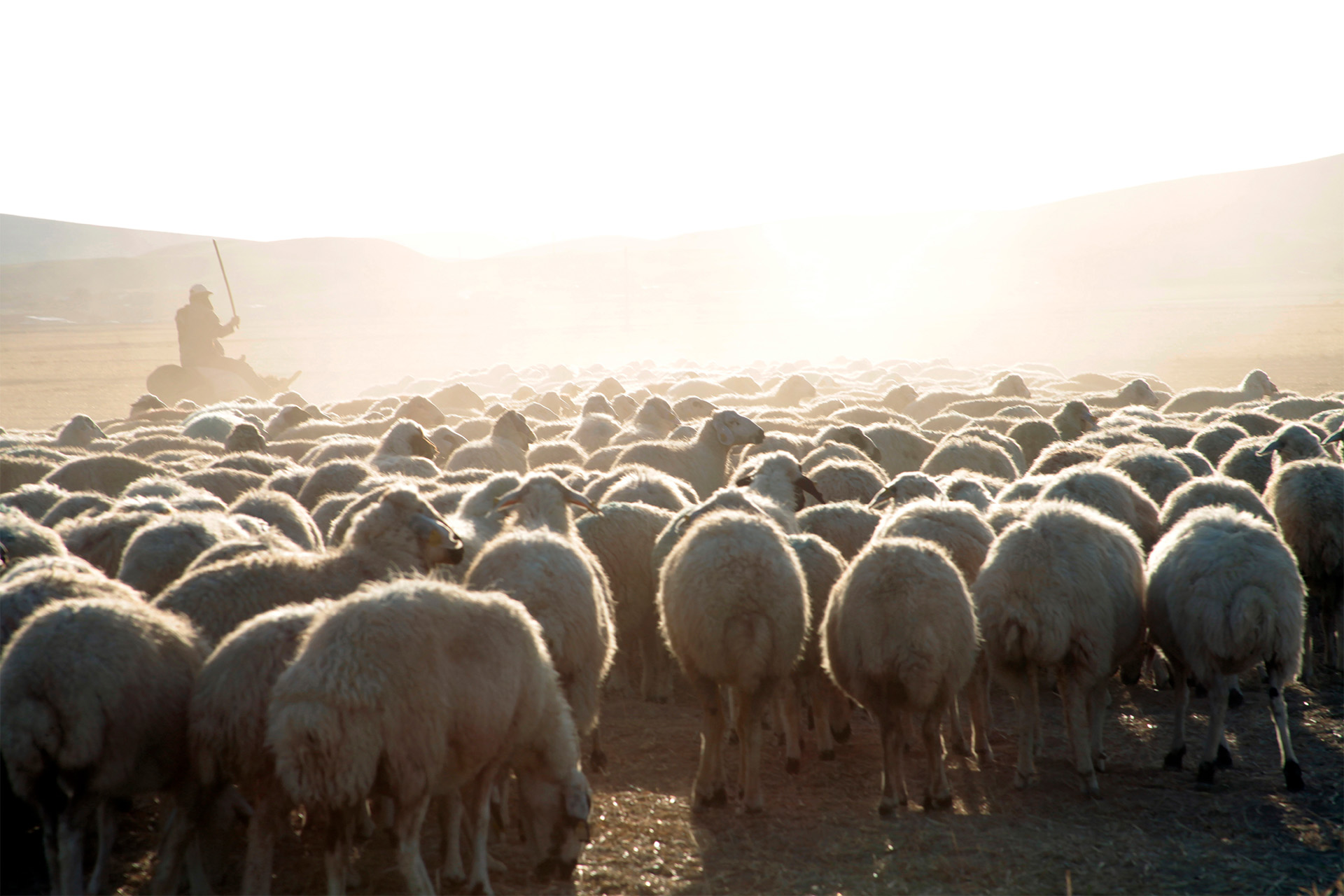
That picture isn’t far from the way Scripture describes a shepherd.
Notice that correction is only one part of what the guide does. His primary responsibility is caring for the people entrusted to him.
That same idea is at the heart of biblical parenting.
The word discipline often makes us think about consequences. But in Scripture, discipline is much bigger than correcting misbehavior.
Biblical discipline is the intentional work of teaching, training, correcting, and redirecting a child toward wisdom and maturity. It is much bigger than consequences or punishment, but it is still only one part of biblical parenting.
That’s why punishment and biblical discipline aren’t the same thing.
Punishment asks, “How do I make my child pay?”
Biblical discipline asks, “How do I help my child learn, grow, and change?”
Parents are not simply called to discipline their children; they are called to shepherd them. The Bible presents discipline as one of the ways a shepherd lovingly guides the sheep toward growth and maturity, but shepherding involves much more than just discipline.

If shepherding is God’s picture of parenting, then the best place to learn how to shepherd is from the Good Shepherd Himself.
When Jesus describes Himself as the Good Shepherd in John 10, notice what He emphasizes.
He knows His sheep.
He calls them by name.
He leads them out.
He walks ahead of them.
He protects them.
He provides abundant life.
He lays down His life for them.
Only after painting that larger picture does Jesus remind us that shepherds also correct wandering sheep. Correction isn’t the shepherd’s defining characteristic. Knowing, protecting, and sacrificially loving the sheep are. A shepherd’s correction flows from love and a desire to help the sheep flourish—not from a need to control or simply gain compliance.
Throughout Scripture, shepherds consistently carry out five responsibilities that provide a helpful picture for parenting.
They Gaze—they know and understand their sheep.
They Gather—they draw them close and keep them connected.
They Guide—they lead, teach, train, and redirect.
They Give—they provide what helps the sheep flourish.
They Guard—they protect them from danger.
Correction is one expression of guiding and guarding. Shepherds don’t spend all of their time correcting sheep entrusted to them. They spend most of their time knowing them, leading them, providing for them, protecting them, and keeping them close.
This picture of shepherding also changes how we evaluate success as parents.
Our culture often measures parenting by behavior.
Did they obey?
Did they stop arguing?
Did they get good grades?
Scripture defines success differently.
Is this child becoming wise?
Are they learning to trust God?
Are they growing in love?
Are they developing the character of Christ?
Those are the questions shepherds ask.
Because the goal of shepherding isn’t simply raising obedient children. It’s raising disciples.
What if discipline isn’t something we do to our children,
but something we do for them?
Parents are called to be shepherds. Through the daily work of knowing, leading, protecting, providing for, and loving their children, they shape their children’s hearts—not just their behavior. Like sheep who learn to trust the voice of their shepherd, children grow best within a secure and trusting relationship. Within that relationship, discipline is one important part of shepherding: teaching, training, correcting, and redirecting children as they learn to follow Christ.
Shepherding a child’s heart is one of the greatest privileges—and one of the greatest challenges—of parenting. You don’t have to figure it out alone. If you’re looking for personalized guidance rooted in Scripture, attachment theory, and practical wisdom, I’d be honored to walk alongside you through Secure Pathways® one-on-one parent coaching.
Secure Pathways Coaching
👉 Want this type of content sent directly to your inbox? Add me to your newsletter here!